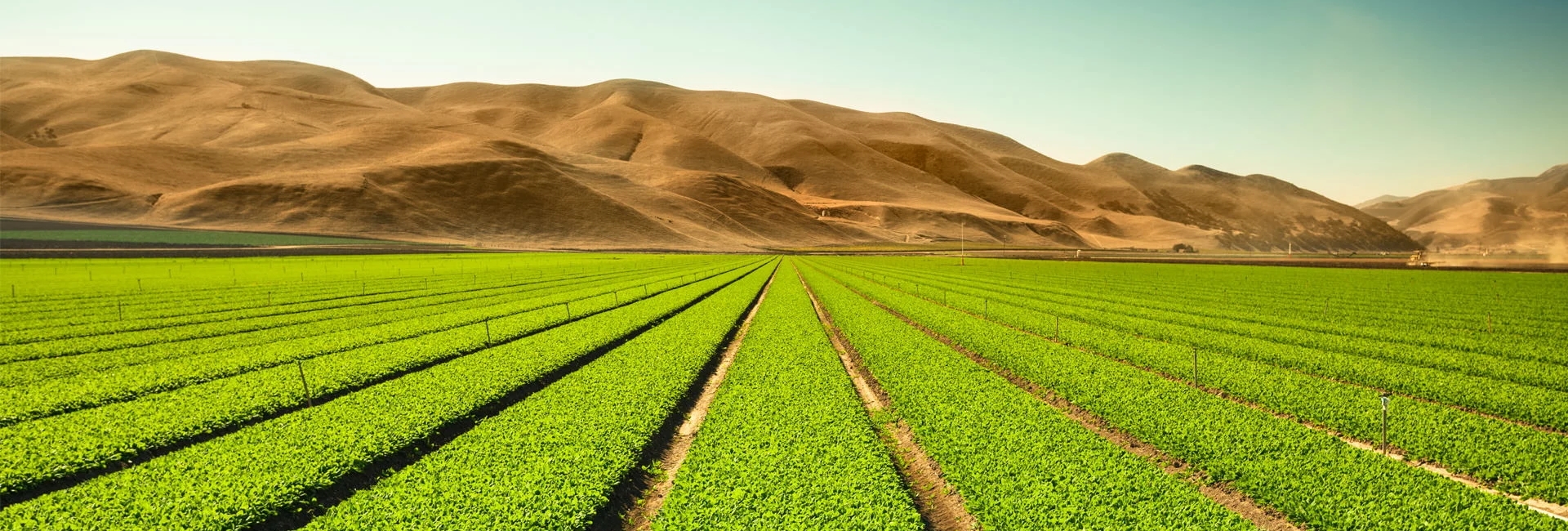
R&D department was established in May 2021 with the main goal to make the world carbon free by constantly providing the highest quality of Fertilizers, Agricultural Commodities and Raw Materials related to fertilizers production from Renewable Source of Energy and from non-fossil row materials with 0% of emission.

RESEARCH & DEVELOPMENT
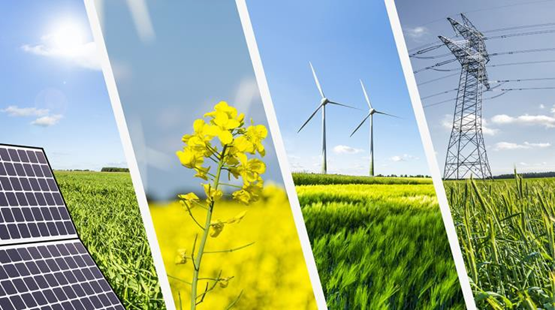
Have experience in Agricultural and Energy sectors with a successful track record and deep understanding of the economics of ammonia, ERFERTIL implements the latest technologies for the production of green ammonia using renewable energy sources such as wind and sun.
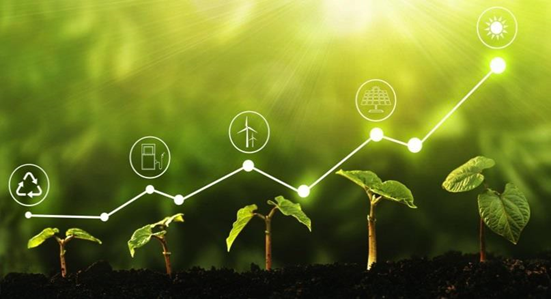
Renewable energy plays an increasingly important role in addressing some of the key challenges facing today’s global society, such as the cost of energy, energy security, and climate change.
Our Green Ammonia project based on technology of electrolysis. In this eco-friendly process, hydrogen is made by using water electrolysis and nitrogen is obtained from the air. The temperature and pressure that is needed for the hydrogen-nitrogen reaction during the ammonia synthesis loop is powered by sustainable energy, such as wind or solar energy. The output is carbon-free ammonia, also known as Green Ammonia.
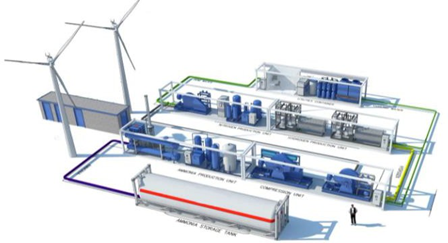
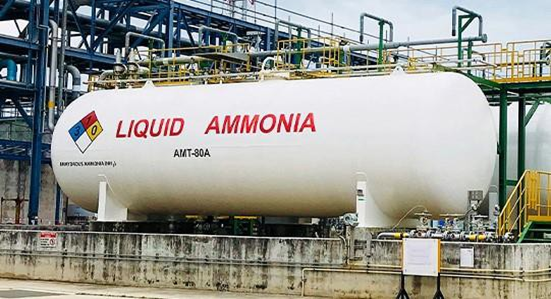
Ammonia consists of 17.6wt% hydrogen, showing that ammonia is an indirect hydrogen storage compound. Ammonia‟s energy density is 4.32 kWh/liter, which is similar to methanol (CH3OH), and approximately double that of liquid hydrogen.
Points out that liquefying hydrogen is more difficult when compared to ammonia, since ammonia liquefies at −33.15°C and at atmospheric pressure: Hydrogen has to be liquefied by chilling to temperatures lower than −253°C.
Ammonia is easily stored in bulk as a liquid at modest pressures (10-15 bar) or refrigerated to -33°C. This makes it an ideal chemical store for renewable energy. There is an existing distribution network, in which ammonia is stored in large refrigerated tanks and transported around the world by pipes, road tankers and ships.
Ammonia can be burnt in an engine or used in a fuel cell to produce electricity. The maritime industry is likely to be an early adopter, replacing the use of fuel oil in marine engines.
ADVANTAGES OF AMMONIA OVER OTHER FERTILIZERS
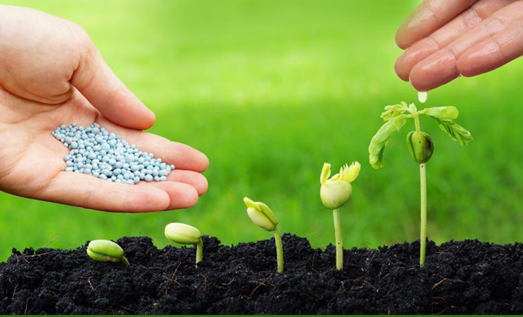
- High yield – 20-25% higher than when using dry fertilizers.
- Destruction of weed seeds of various pests, colonies and mold.
- Low percentage of death of cultivated crops from seed burns and poisoning.
- No dependence on adverse weather events.
- The highest percentage of pure nitrogen among all types of nitrogen fertilizers is 99%.
- From a safety point of view, ammonia gas is almost the same as air, so in case of leakage ammonia rapidly dissipates into the atmosphere.
However, unlike hydrogen, ammonia is not typically explosive. It is a hazardous chemical and it must be handled with care, due to its causticity and toxicity.
Ammonia is registered under the REACH Regulation and is manufactured in and / or imported to the European Economic Area, at ≥ 10 000 000 tons per annum.
The global production capacity of ammonia is expected to expand from around 235 million metric tons in 2019, to nearly 290 million metric tons by 2030. This forecast capacity growth is attributable to approximately 107 planned and announced ammonia plants, primarily located in Asia and the Middle East, that are expected to be launched by 2030.